oasis

Mouth Guards

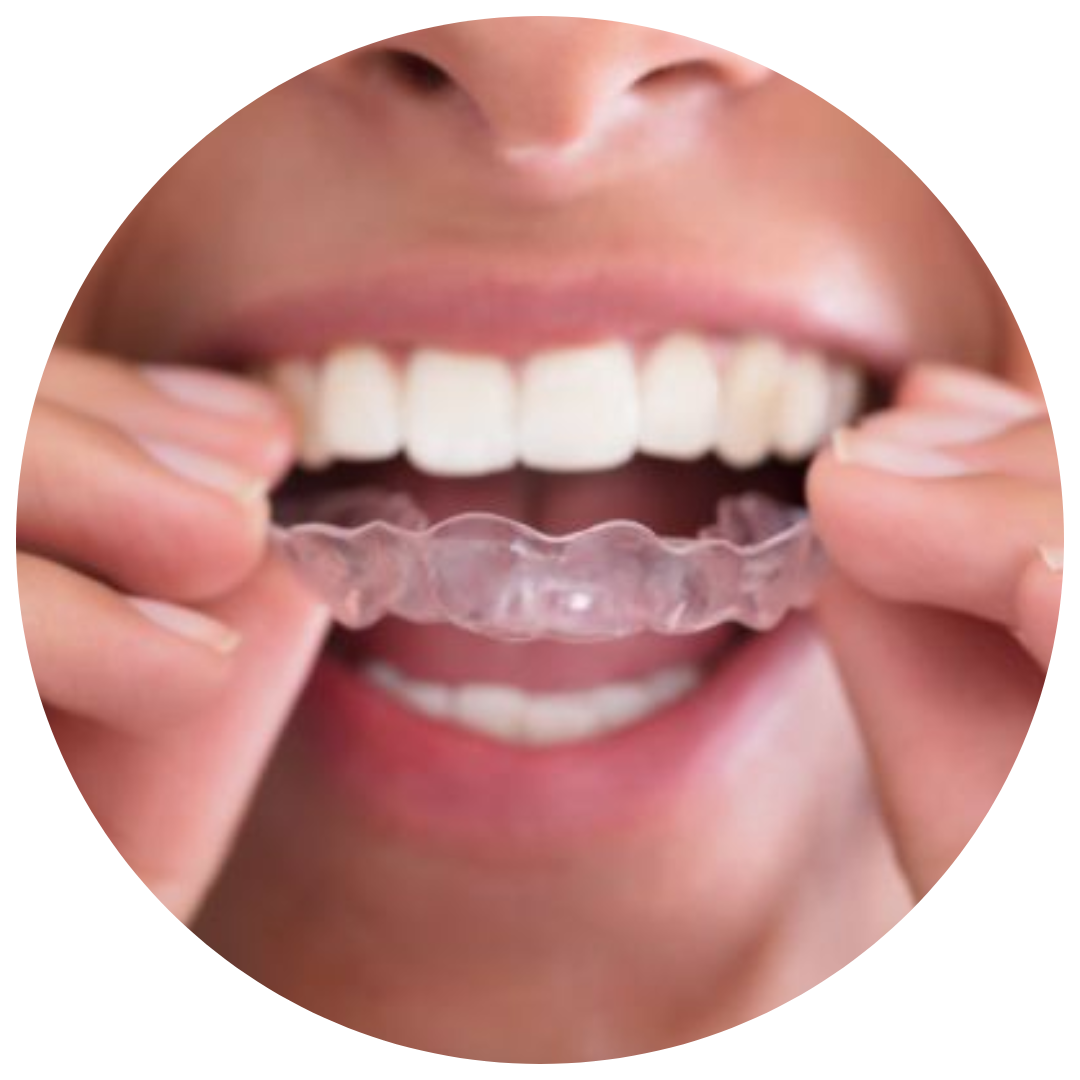
To protect your teeth and gums, wear a mouthguard. Custom-made mouthguards are more comfortable to wear and offer superior tooth protection than generic mouthguards. A night guard may help with bruxism (teeth grinding). Mouthguards should be worn by both children and adults during contact sports and activities like motorcycling.

Who might require a mouthguard?

An adult or child may require a mouthguard. A mouthguard might be suggested by your doctor if you or your child:

  • Teeth Grinding (Bruxism).
  • Plays a contact sport, such as soccer, lacrosse, hockey, basketball, or football, which increases the chance of being hit in the face.
  • Takes part in noncontact sports or activities with a high fall risk, like ice skating, gymnastics or biking.

What are the types of mouthguards?

There are two main categories of mouthguards: those that are made to protect teeth from trauma from sports or other athletic activities and guards that are made for patients with bruxism or teeth grinding. These types of appliances serve different purposes and will look and feel different. There are also different ways patients get mouthguard.
  • Custom-fitted: Your dentist uses a mold (impression) of your teeth to custom-make a mouthguard that comfortably fits your teeth and mouth. Custom-fitted mouth protectors cost more, but they provide the best fit and protection. A custom mouthguard will be made specifically for your needs, whether it be for protection from trauma during athletic competition or for use at night if you grind your teeth. A custom guard fitted by your dentist is the highest quality and does the best job at protecting your teeth and mouth.
  • Boil-and-bite: These mouth protectors are a thermoplastic material that you can shape at home to fit your teeth. You soften the mouthguard by placing it in hot (not boiling) water. You then put the softened mouthguard into your mouth and use your fingers to press it onto the molars and front teeth. When the mouthguard feels like it’s in the right position, you bite down for about 20 seconds. Then you remove the device and run it under cool water. You can repeat these steps to reshape the mouthguard for the best fit.
  • Other adjustable over-the-counter mouthguards: Adjustable night guards often include sliding pieces that rest between your teeth while you sleep.
  • Stock: These one-size-fits-all mouthguards come preformed and ready to wear. Because they aren’t made specifically for your teeth, they rarely fit well. Their bulkiness and poor fit can make breathing difficult. Stock mouthguards offer the least protection of all mouthguard types.

How do I care for a mouthguard?

Mouthguards pick up bacteria from your mouth. Be sure to clean the teeth very well before putting a mouthguard in. To clean your mouthguard:

  • Don’t expose the mouthguard to extreme heat, such as direct sunlight or hot water. Heat can cause it to warp and change shape.
  • Keep the mouthguard in a sturdy, vented plastic case when not in use or when traveling to sports and activities.
  • Rinse your mouthguard in cool water and use a brush and soapy water to clean it after each use. Let it air dry.
  • Store the mouthguard out of reach of dogs and other pets.

Committed to Excellence